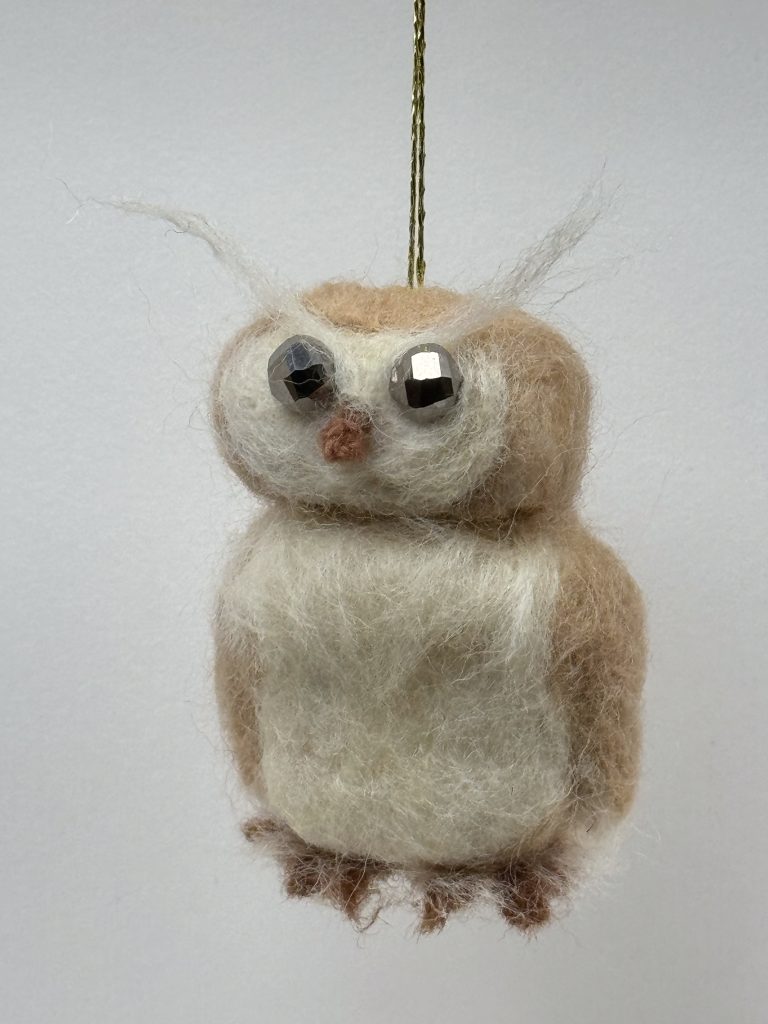
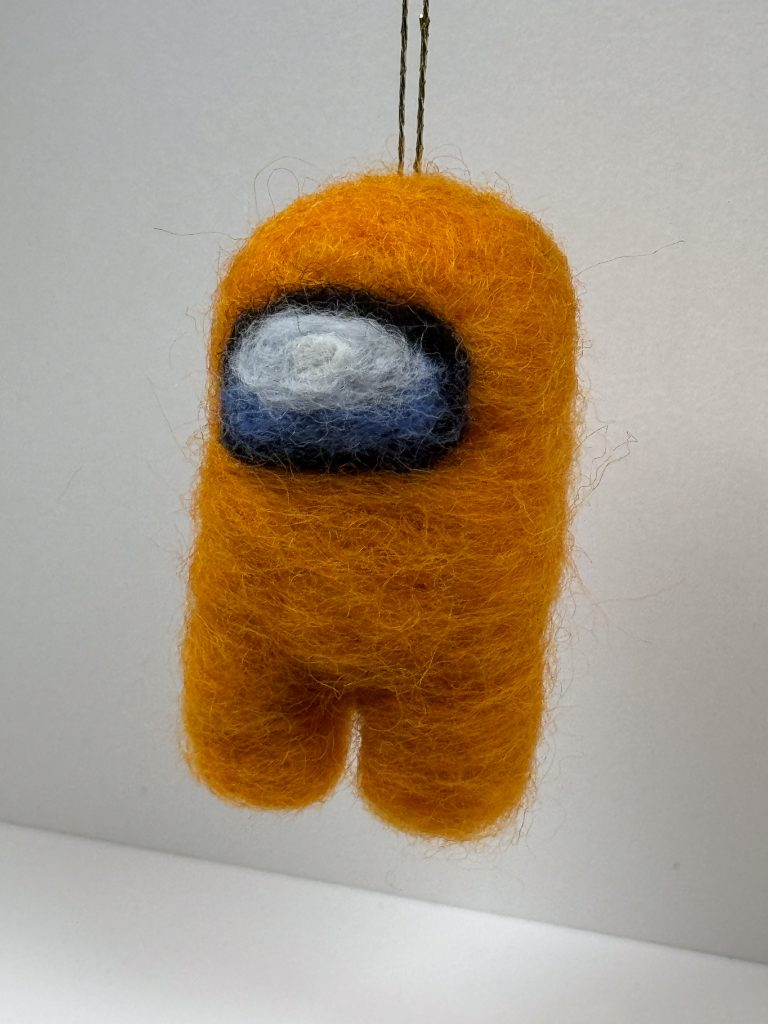
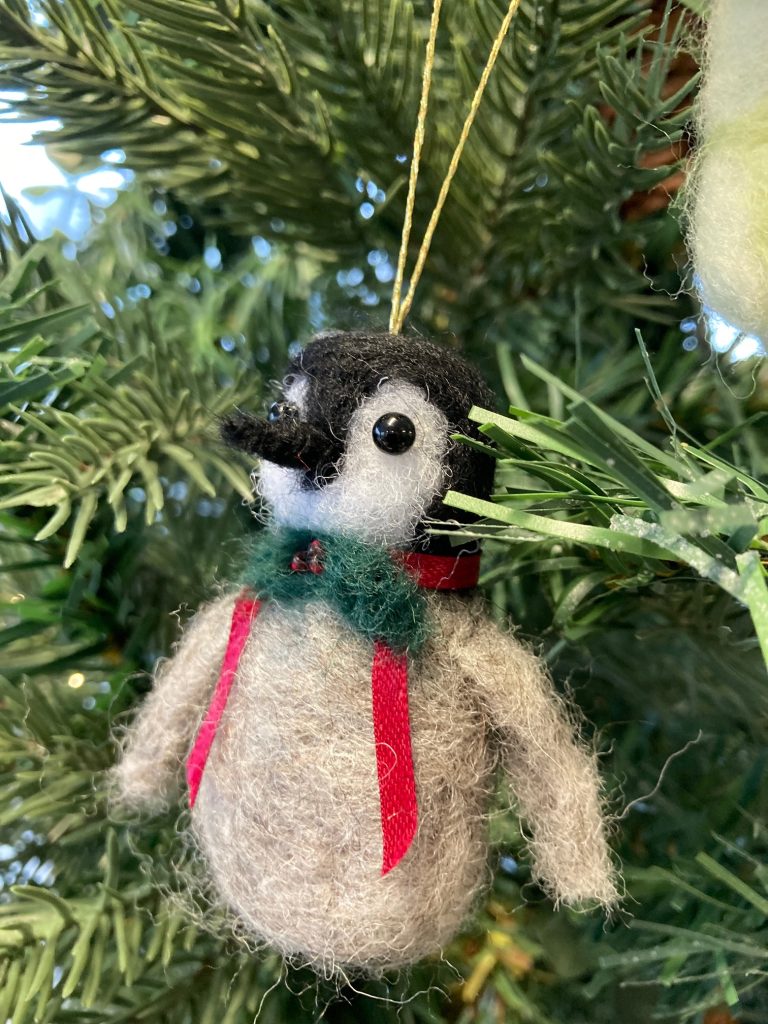
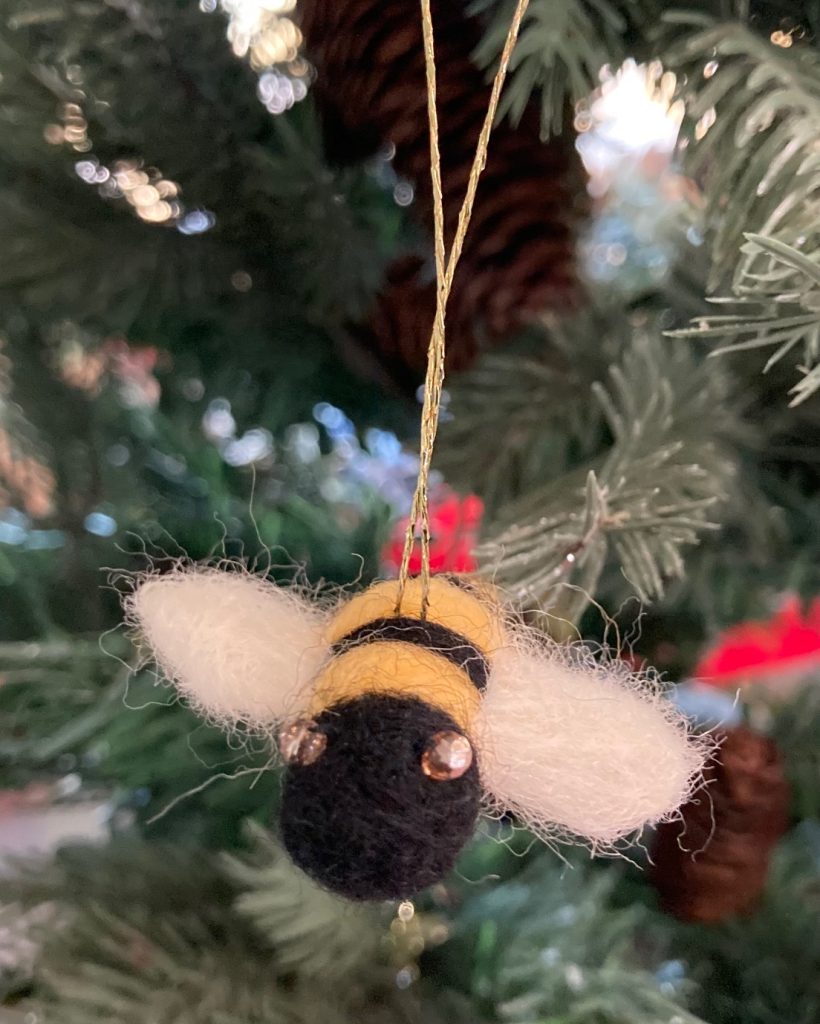
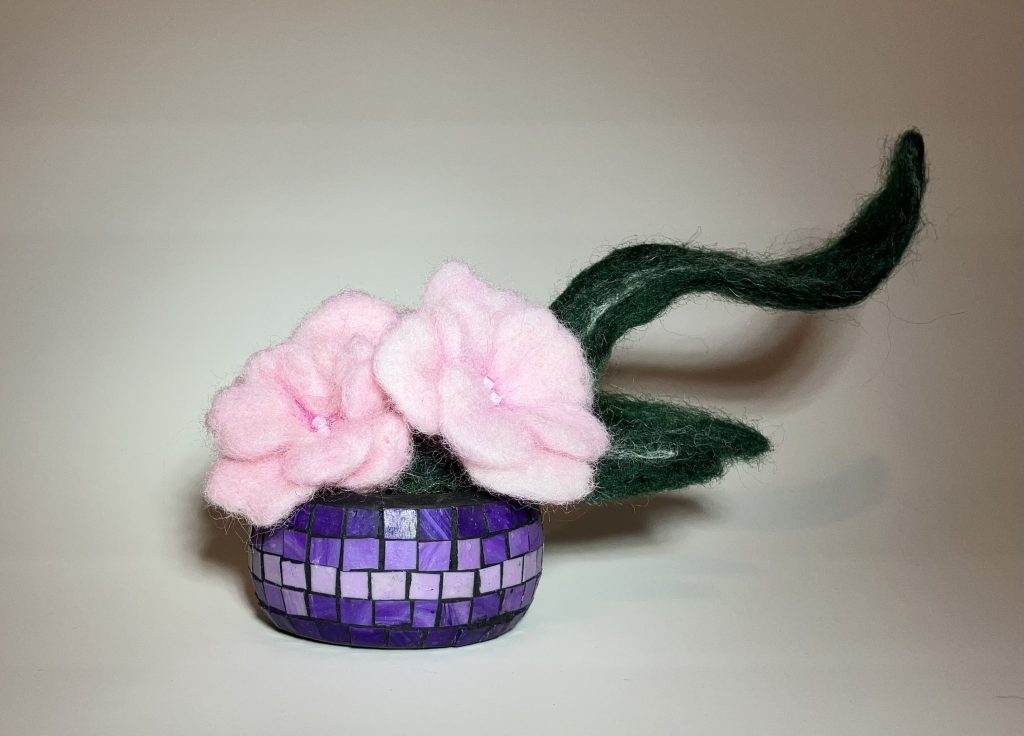
Felting is the process of tangling fibres together to make fabric. It can be done with wools, synthetic fibres (this is the stuff most people think of as felt, and often do crafts with), silk, bamboo ... many different fibres or mixtures of them. I live in Toronto and hope one day to be able to purchase bison roving from the Friends of the High Park Zoo (they also sell yarn made from the wool of the llamas in the park, as part of their fundraising, but both are very much in demand and only sold as special events).
When I describe the felting process to people at shows I often ask if they have ever rolled their own hair, collected after brushing or washing, into a ball: That’s felting! Wool fibres are so much finer than human hair, of course, so when you felt wool instead of the very springy fuzzball you get from your hair, you get a much softer and denser (but potentially still pretty springy) material.
And when you are felting as a craft (instead of playing, or trying to collect hairs so you can dispose of them more easily) you want a little more control, but we still occasionally roll little bits in our fingers to begin a detail.
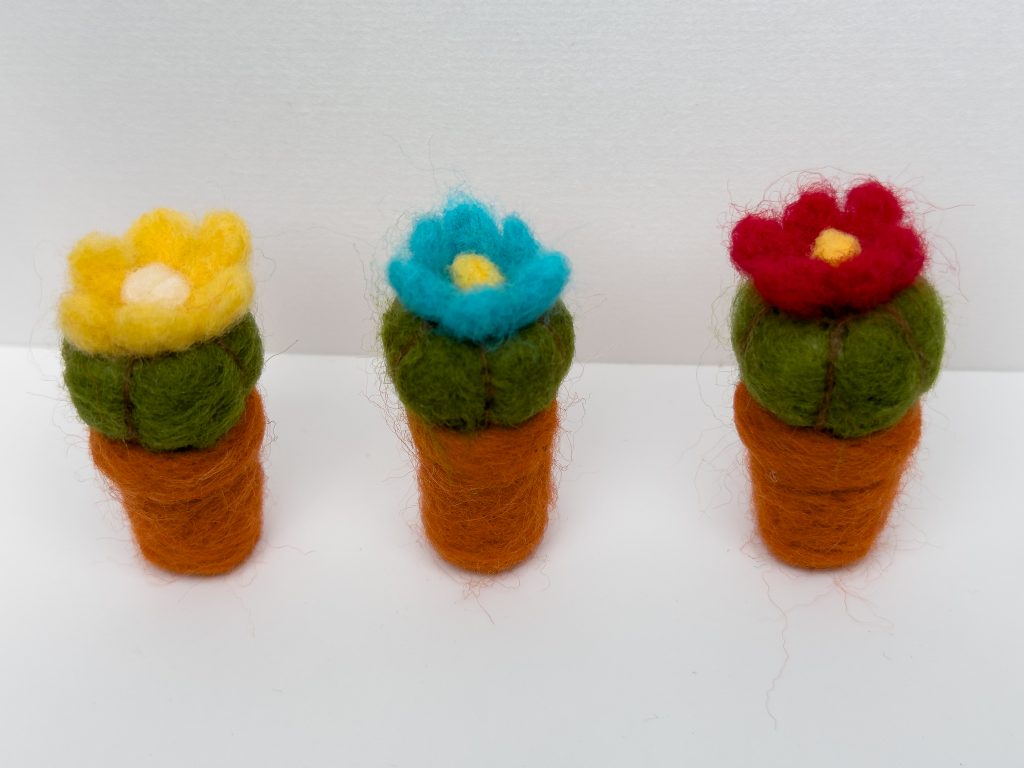
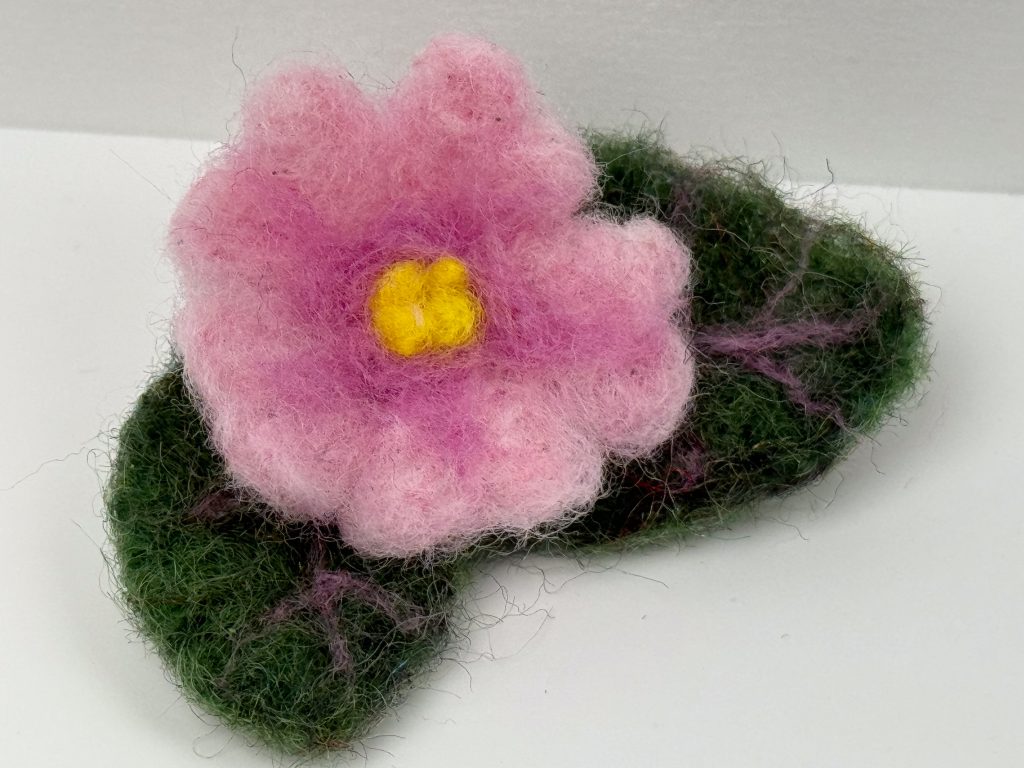
There are different wool felting techniques. I mostly do dry felting, but have done a little wet felting and am excited to branch out into nuno felting this year.
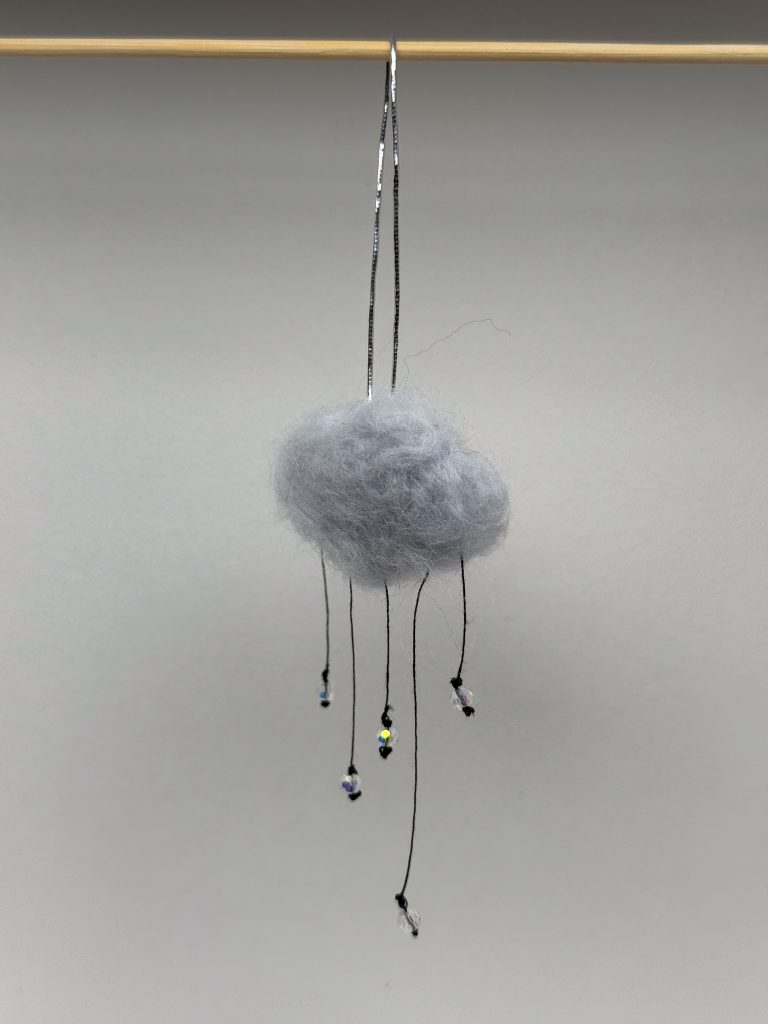
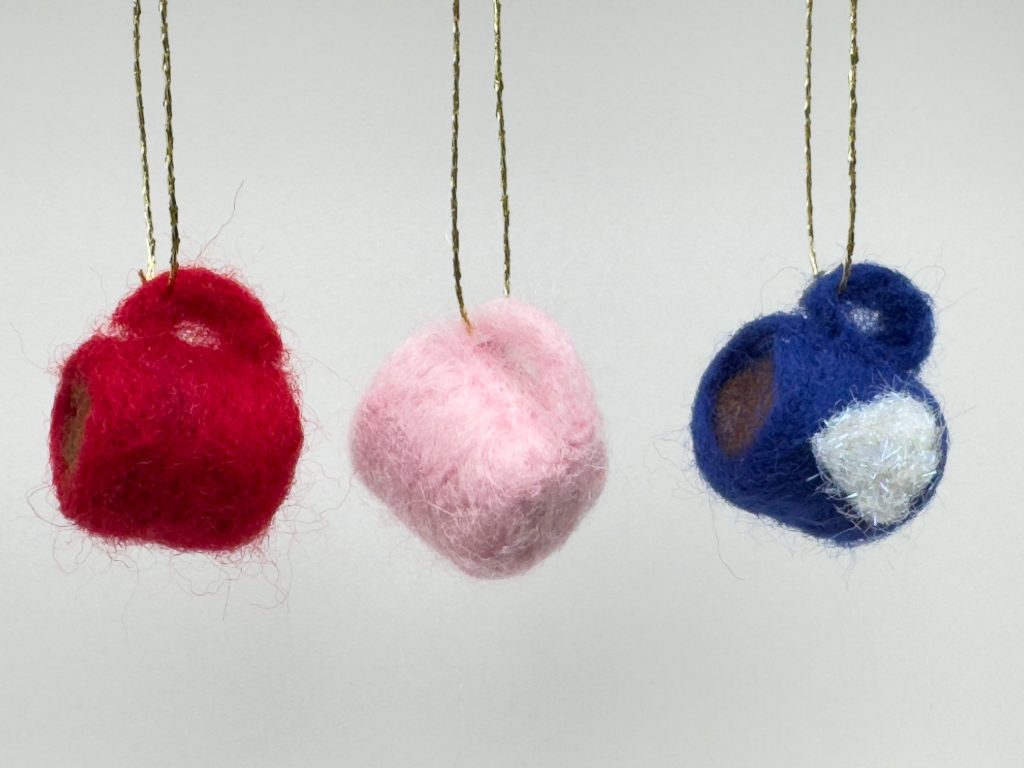
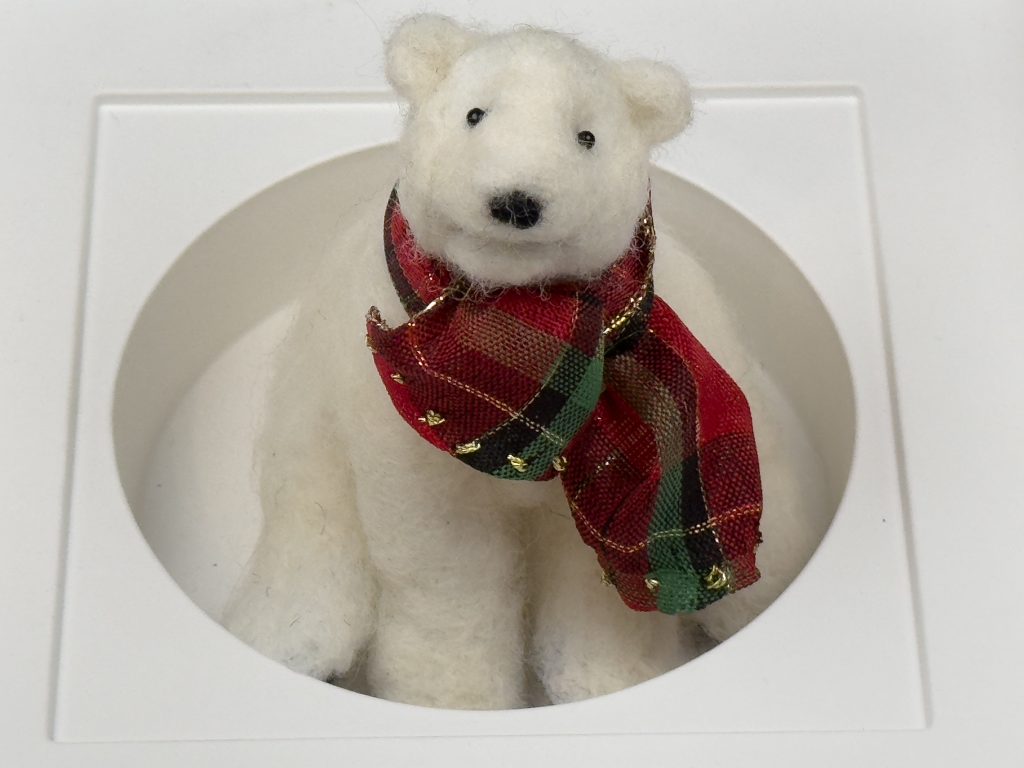
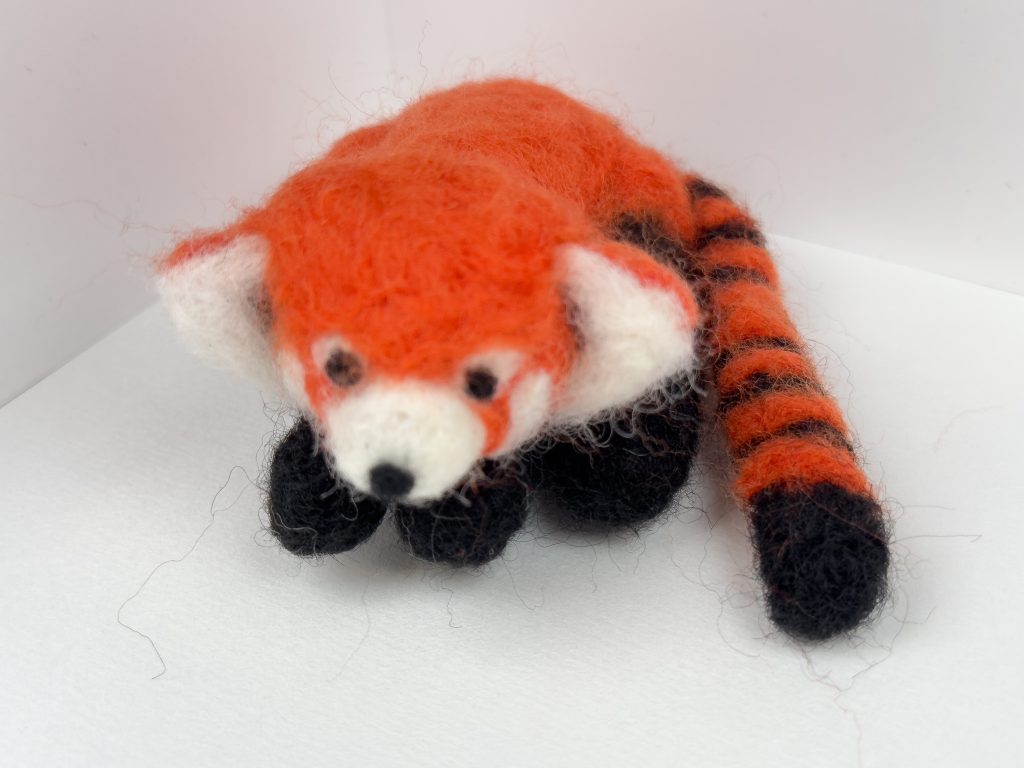
Dry felting is done using special needles with notches that catch the fibres and pull them to increase tangling. Some needles have more notches than others, or have a different shape, or spiral notches, or even notches in the opposite direction (if you want to make something fluffier instead of smoother). It is a very time-intensive process to do by hand, though there are industrial machines that use many many needles to felt sheets of wool.
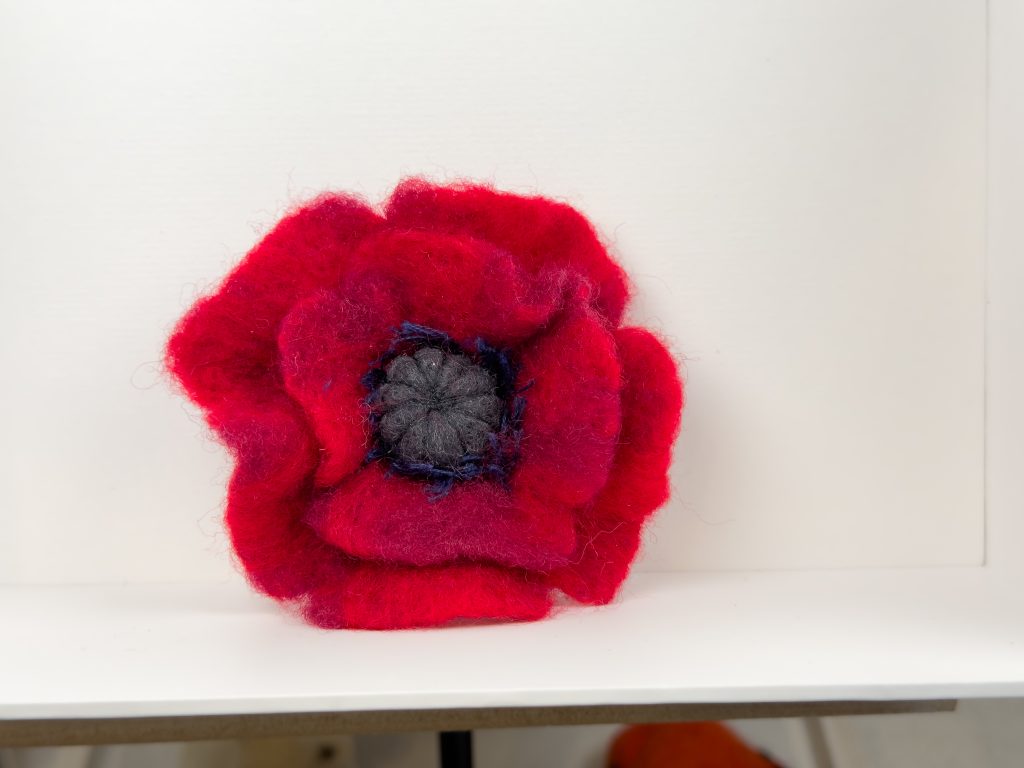
Wet felting uses special soaps, and surfaces to tangle wet fibres together. If you want a really dense felted object wet felting is typically the better process to use. It may be finished with heat. If you own a wool coat, for example, the material was probably created using an industrial wet felting process.
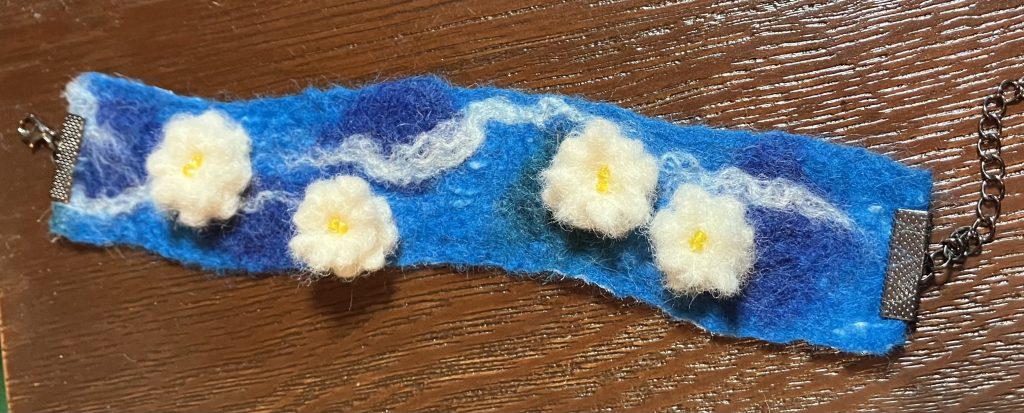
Nuno felting is a felting technique that uses cloth (typically silk, but also muslin or rayon) as a base to felt wool fibres into. It can create beautiful, lightweight garments, since the original fabric provides structure so the felted fibres can be applied more lightly. Nuno is the Japanese word for cloth or fabric.
Yarn felting isn’t exactly a technique of its own, but it’s different because it starts with a more-or-less finished object made of yarn rather than wool roving. The object, that has been knit or crocheted, is typically dry felted as a finishing stage. Occasionally it might be wet felted (but wet felting something that already has a shape that you want to preserve can be risky, so it really depends on the project).
There may be more I’m not aware of! Felting, in my experience, is a tinkerer’s way of working fibre. It’s a “what can I do here?” approach, and can result in amazing creations, both practical and artistic.